
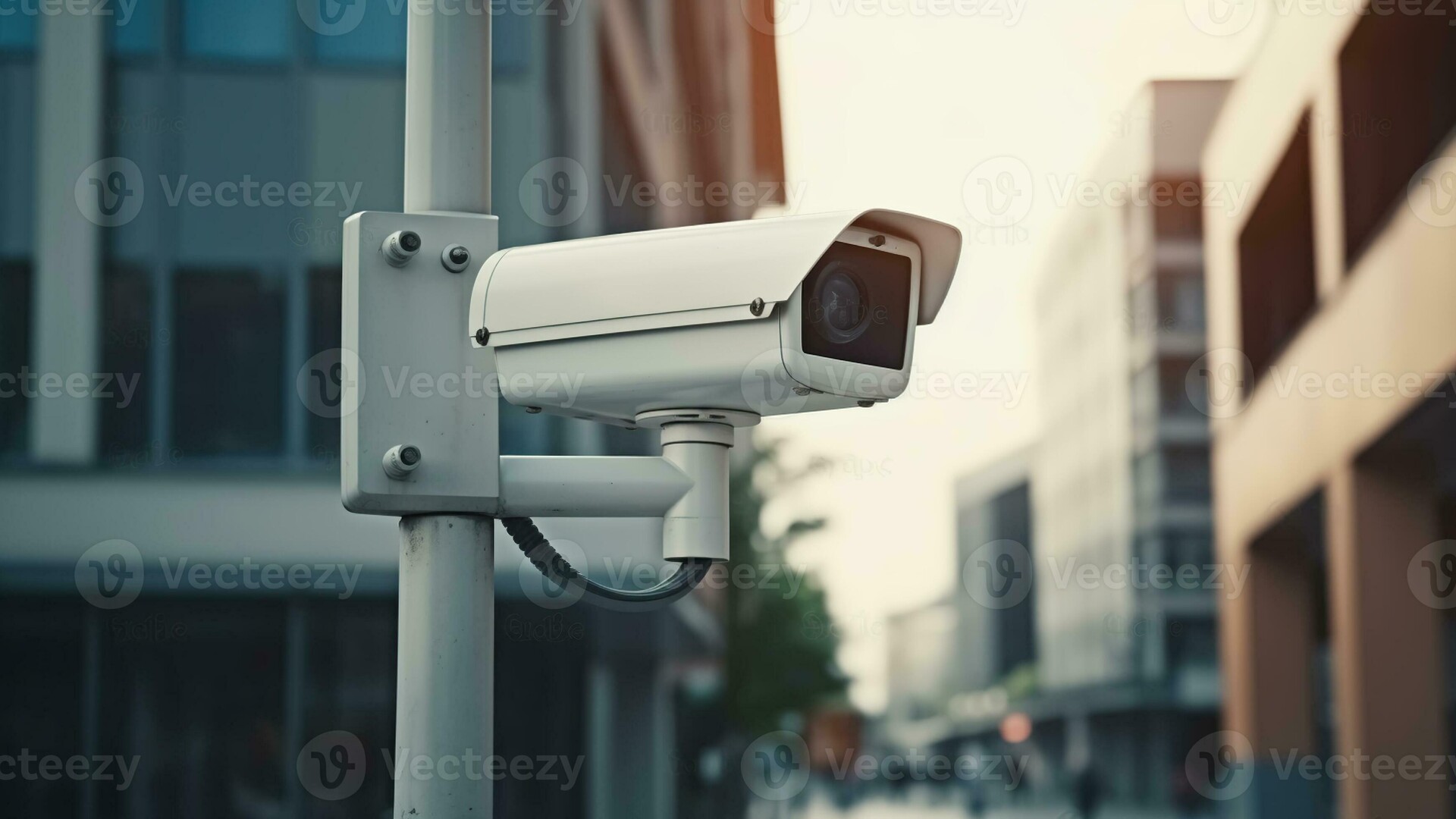
You don't need a military-grade surveillance operation to protect your Phoenix business. But you do need to get a few key things right, or you'll end up with a system that looks impressive and does nothing useful. We've seen it a hundred times.
This guide is for the small business owner — the restaurant, the retail shop, the auto repair place, the dental office — who wants to make smart decisions about security cameras without getting sold a system they don't need.
Start With "What Am I Protecting Against?"
Before you think about cameras, think about threats. For most Phoenix small businesses, it's some combination of:
- External theft — Shoplifting, break-ins, smash-and-grabs
- Internal theft — Employee theft (it's more common than people want to admit)
- Liability protection — Slip-and-fall claims, customer disputes, parking lot incidents
- Vandalism — Graffiti, property damage, especially overnight
Your threat profile determines where cameras go and what type you need. A retail store needs very different coverage than a warehouse or an office suite.
How Many Cameras Do You Actually Need?
Here's a rough guide based on what we typically install for Phoenix small businesses:
- Small retail (under 2,000 sq ft): 4-6 cameras — entrances, POS area, stockroom, exterior
- Restaurant/bar: 6-8 cameras — entrances, bar area, register, kitchen, dining, parking lot
- Office suite: 3-5 cameras — main entrance, server room, reception, parking
- Warehouse: 6-12 cameras — all doors, loading dock, high-value storage, perimeter
- Auto shop: 6-8 cameras — bays, customer area, parts storage, lot, entrance
The most common mistake? Too many cameras in the wrong places, not enough in the right places. You don't need a camera in every hallway. You do need one pointed at your cash register and your back door.
Camera Types That Matter
Dome Cameras (Indoor Favorite)
Discreet, hard to tell which direction they're pointing, and difficult to vandalize. Great for retail ceilings, offices, and anywhere you want subtle coverage. Most businesses should use these for interiors.
Bullet Cameras (Exterior Workhorse)
Visible, weather-resistant, and clearly "watching." The visibility itself is a deterrent. Use these on building exteriors, parking lots, and loading areas.
PTZ Cameras (For Large Areas)
Pan-tilt-zoom cameras can be remotely controlled to follow subjects or zoom in on details. These are great for large parking lots or warehouses, but they're overkill for most small businesses.
Features Worth Paying For
Not all cameras are created equal. Here's what actually matters for a small business:
- Resolution: 4MP or higher. Anything less and you can't identify faces or read plates. 4K (8MP) is ideal but not always necessary.
- Night vision / IR LEDs. Crimes happen at night. Your cameras need to see in the dark. Look for at least 80-100 foot IR range for exterior cameras.
- Remote access. Being able to check your cameras from your phone is genuinely useful, not just a gimmick. Look for systems with free, reliable mobile apps.
- Motion alerts. Getting a notification when someone enters your business after hours saves you from reviewing hours of empty-room footage.
- Sufficient storage. At minimum, you want 30 days of recorded footage. For businesses with high liability risk (bars, auto shops), 60-90 days is better.
Common Mistakes We See
Buying the cheapest system on Amazon
Those $200 "16-camera systems" produce grainy footage that's useless for identification, have unreliable apps, and die within a year. If your cameras exist just to say you have cameras, fine. If you actually want usable security footage, invest in quality.
DIY installation on a commercial property
There's nothing wrong with DIY for a home system. But a commercial install needs proper cable runs, weatherproofing, power management, and network configuration. Bad installation is the #1 reason cameras underperform. The equipment is only as good as the installation.
Forgetting about lighting
Cameras need light to produce good images, even with night vision. If your parking lot is pitch black, even the best camera will produce mediocre footage. Good exterior lighting makes your cameras dramatically more effective.
No signage
In Arizona, you generally need to post notice that video surveillance is in use, especially in employee areas. Beyond the legal requirement, signage is a proven theft deterrent. It costs almost nothing and works.
What Should It Cost?
For a professionally installed small business system in Phoenix, expect roughly:
- 4-camera system: A good starting point for small retail and offices
- 8-camera system: Most common for mid-size businesses
- 12+ cameras: Larger facilities, warehouses, multi-building properties
That typically includes cameras, NVR (recorder), cabling, installation, and initial configuration. Ongoing costs include cloud storage (if desired) and eventual maintenance.
The real question isn't what it costs — it's what it saves you. One prevented break-in, one slip-and-fall claim you can disprove with footage, one employee theft you catch early — any of these pays for the system many times over.
Getting Started
If you're a Phoenix small business owner thinking about cameras, the first step is simple: schedule a free site assessment. We'll walk your property, talk about your concerns, and give you a straightforward recommendation — including whether you even need as many cameras as you think you do. Sometimes less is more when it's in the right spots.
We've been doing this in Phoenix since 2000. We're not going to sell you something you don't need. Our reputation depends on repeat business and referrals, and that only happens when people feel they got honest advice.
Need Help With Your Project?
Our team has been protecting Arizona properties since 2000. Whether you need a temporary rental or a permanent install, we\'re here to help.